Fears grow that US will put Nobel-winning judge under sanctions after Myanmar genocide ruling
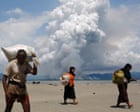
- ✦ Primary Development: A ruling against Myanmar could set precedent for court’s judgment on Israel’s actions in Gaza Fears are growing that the US could impose sanctions on judges at the international court of justice, including this year’s Nobel peace prize winner, Navi Pillay , if the court rules on Thursday that the Myanmar government committed genocide against the Rohingya.
- ✦ Context & Dynamics: The ICJ has never found a state responsible for committing genocide, and a significant factor in previous cases has been how to prove “intent” in a crime defined as acts committed with the “intent to destroy, in whole or in part” a national, ethnical, racial or religious group.
- ✦ Strategic Impact: Fears grow that US will put Nobel-winning judge under sanctions after Myanmar genocide ruling
Background & Context Analysis
A ruling against Myanmar could set precedent for court’s judgment on Israel’s actions in Gaza Fears are growing that the US could impose sanctions on judges at the international court of justice, including this year’s Nobel peace prize winner, Navi Pillay , if the court rules on Thursday that the Myanmar government committed genocide against the Rohingya. The ICJ has never found a state responsible for committing genocide, and a significant factor in previous cases has been how to prove “intent” in a crime defined as acts committed with the “intent to destroy, in whole or in part” a national, ethnical, racial or religious group. The ICJ has never found a state responsible for committing genocide, and a significant factor in previous cases has been how to prove “intent” in a crime defined as acts committed with the “intent to destroy, in whole or in part” a national, ethnical, racial or religious group.
✅ Source Verification
- Original source
- The Guardian World (🇬🇧 United Kingdom)
- Original language
- English
- Originally published
- 2026-11-18 09:58 (1d ago)
- How this briefing was made
- This briefing was structured and translated by AI from the original report. Key facts (names, numbers, dates) come from the source; synthesis may contain errors — please check the original.