US Army Delays Detonation of Hazardous Lead Azide After Public Outcry in Iowa
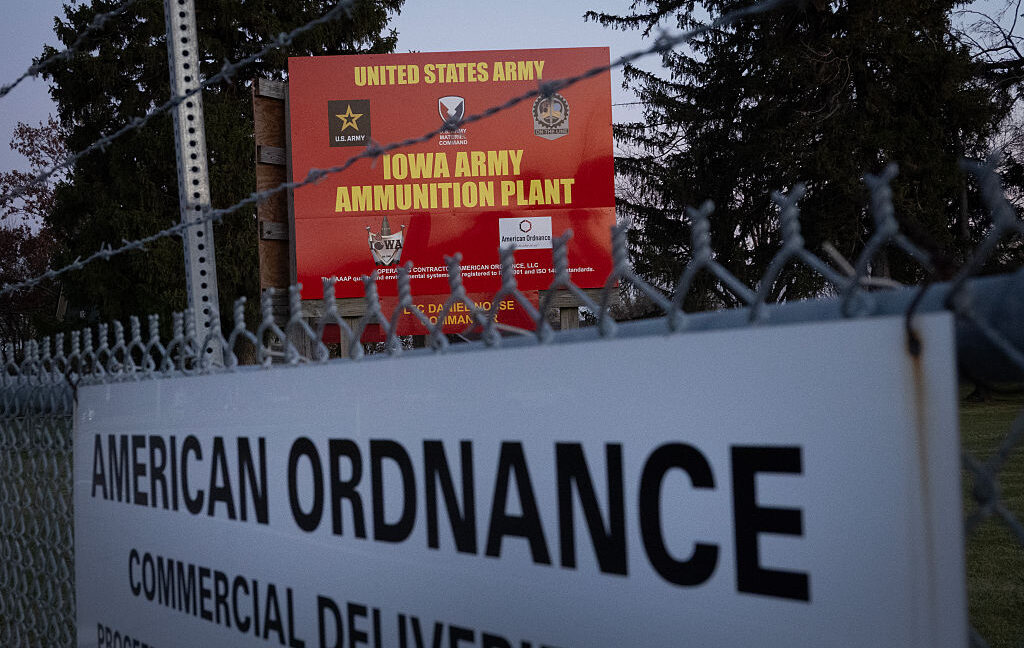
- The US Army delayed a planned detonation of 68 barrels of deteriorating lead azide in Middletown, Iowa, originally scheduled for Friday.
- Army modeling showed the explosion would release a neurotoxic lead plume capable of drifting 100 miles north.
- Acting Army Secretary Adam Telle announced the delay to November 23 to improve communication with local officials and residents.
Background & Context Analysis
Amid widespread fear and outrage, the US Army announced on Thursday that it is delaying its plan to blow up 68 deteriorating barrels of lead azide located at a military installation in Middletown, Iowa. Army modeling released earlier in the week revealed that the planned dual detonations would release toxic gas and neurotoxic lead into the air, with a plume potentially drifting 100 miles north. Acting Secretary of the Army Adam Telle stated that the operation will be pushed back to November 23 to allow more time for public communication and engagement with local residents, many of whom only recently learned of the dangerous procedure. The sudden postponement underscores the critical gap in public trust regarding military safety operations. Local Iowans had reported being completely unaware of the scheduled detonations until days before they were set to take place, triggering intense backlash. By halting the operation, the Army aims to actively coordinate with state and local officials to disseminate accurate and timely information, addressing community safety concerns before moving forward with the hazardous disposal.
✅ Source Verification
- Original source
- Ars Technica (🇺🇸 United States)
- Original language
- English
- Originally published
- 2026-11-20 19:21 (9h ago)
- How this briefing was made
- This briefing was structured and translated by AI from the original report. Key facts (names, numbers, dates) come from the source; synthesis may contain errors — please check the original.
Was this AI briefing helpful?
✨ Ask AI About This Article
Ask follow-up questions grounded strictly in this briefing