China Implements Innovative Strategies to Meet AI Power Demands
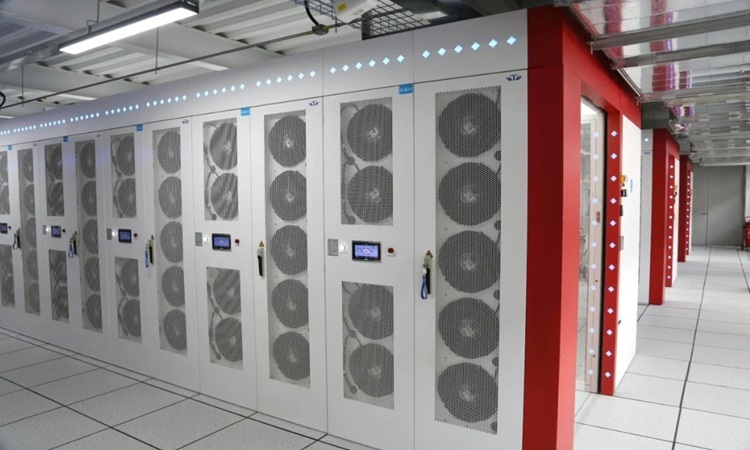
- In 2026, China included the coordination of computing capacity and electric power in its government work report and the 15th Five-Year Plan for the first time.
- The "Eastern Data, Western Computing" initiative separates latency-sensitive tasks in the east from high-power model training tasks shifted to the west.
- Projects include the Yajiang-1 AI supercomputing center in Tibet at nearly 3,600 meters altitude and large-scale data center clusters in Guizhou and Ulanqab.
Background & Context Analysis
Chinese authorities are implementing various initiatives to harness abundant renewable energy and satisfy the surging power demands of AI data centers. By 2026, the coordination between computing capacity and power supply will be integrated into the government work report and the 15th Five-Year Plan (2026-2030) as a core strategy by Beijing. A key solution is the "Eastern Data, Western Computing" initiative launched in 2022. By categorizing computing tasks based on latency sensitivity, real-time services stay in eastern China near users, while offline tasks like model training are shifted to western hubs such as Tibet and Guizhou. This leverages local cold climates for cooling and green energy for power, reducing strain on the eastern power grid.
✅ Source Verification
- Original source
- VnExpress Số Hóa (Tech) (🇻🇳 Vietnam)
- Original language
- Vietnamese
- Originally published
- 2026-11-20 17:00 (13h ago)
- How this briefing was made
- This briefing was structured and translated by AI from the original report. Key facts (names, numbers, dates) come from the source; synthesis may contain errors — please check the original.
Was this AI briefing helpful?
✨ Ask AI About This Article
Ask follow-up questions grounded strictly in this briefing